EN
EN

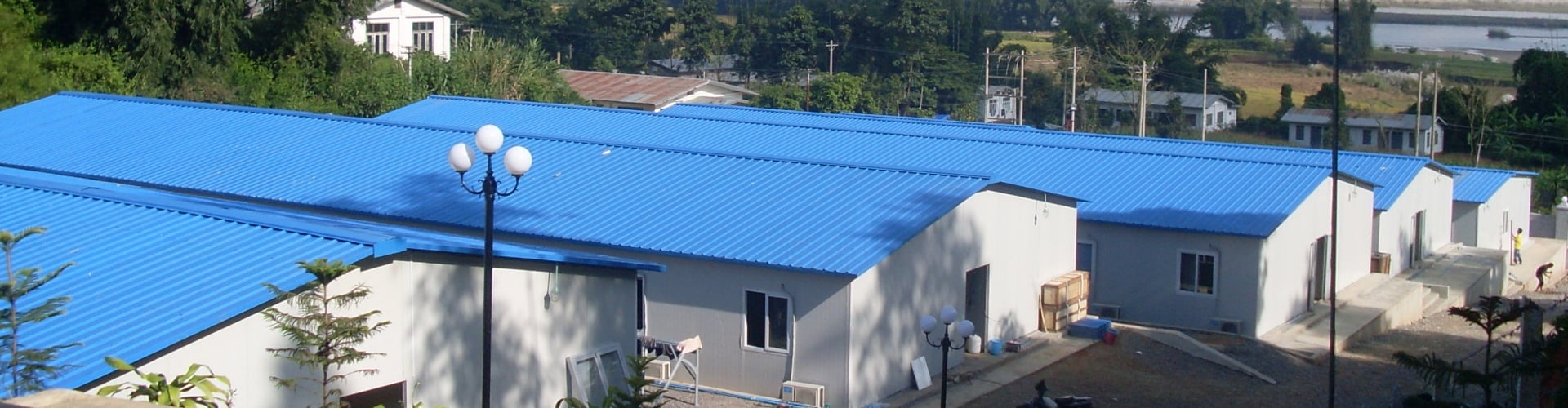
ที่พักชั่วคราวสำหรับคนงานก่อสร้าง: ให้ทางเลือกที่พักที่ใช้งานได้จริงและยืดหยุ่นสำหรับทีมงานก่อสร้างสมัยใหม่
สำหรับโครงการก่อสร้างขนาดใหญ่ใดๆ การจัดหาที่พักที่ปลอดภัยและเหมาะสมให้กับทีมงานก่อสร้างเป็นปัจจัยสำคัญในการทำให้โครงการดำเนินไปอย่างราบรื่น โดยเฉพาะในพื้นที่ห่างไกลหรือสถานที่ก่อสร้างที่ต้องใช้แรงงานมาก ผู้ทำงานจำเป็นต้องมี “บ้าน” ที่มั่นคงเพื่อฟื้นฟูกำลัง บทความนี้จะแนะนำที่พักชั่วคราวบนสถานที่ก่อสร้าง กล่าวถึงข้อดีและข้อกำหนดที่เกี่ยวข้อง รวมถึงอธิบายว่าทำไมโครงการระหว่างประเทศมากขึ้นเรื่อยๆ จึงเลือกใช้ทางออกนี้
CDPH ใช้ผลิตภัณฑ์ของบริษัทเพื่อจัดหาที่พักชั่วคราวสำหรับโครงการก่อสร้างเพิ่มเติม โดยมุ่งมั่นสร้างโซลูชันที่พักชั่วคราวที่สามารถปรับขนาดได้ผ่านการผสมผสานวัสดุน้ำหนักเบากับชิ้นส่วนที่ผลิตไว้ล่วงหน้า พร้อมรับรองความปลอดภัย โซลูชันเหล่านี้ไม่เพียงแต่สอดคล้องตามข้อบังคับด้านความปลอดภัยของการก่อสร้างเท่านั้น แต่ยังมีประสิทธิภาพและสะดวกยิ่งขึ้นด้วย www.cdphhouse.com )
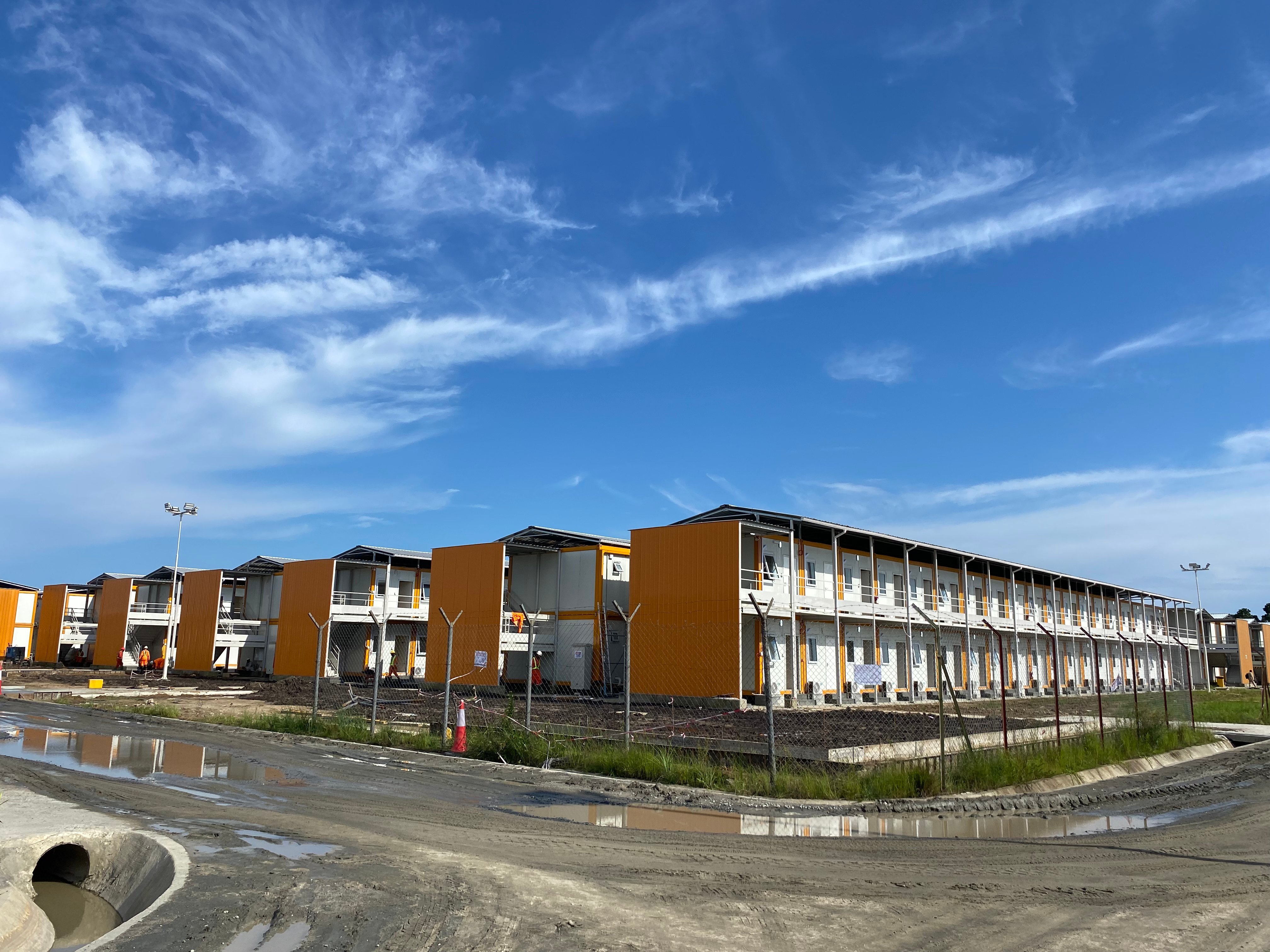
สิ่งอำนวยความสะดวกชั่วคราวบนไซต์ก่อสร้างคืออะไร
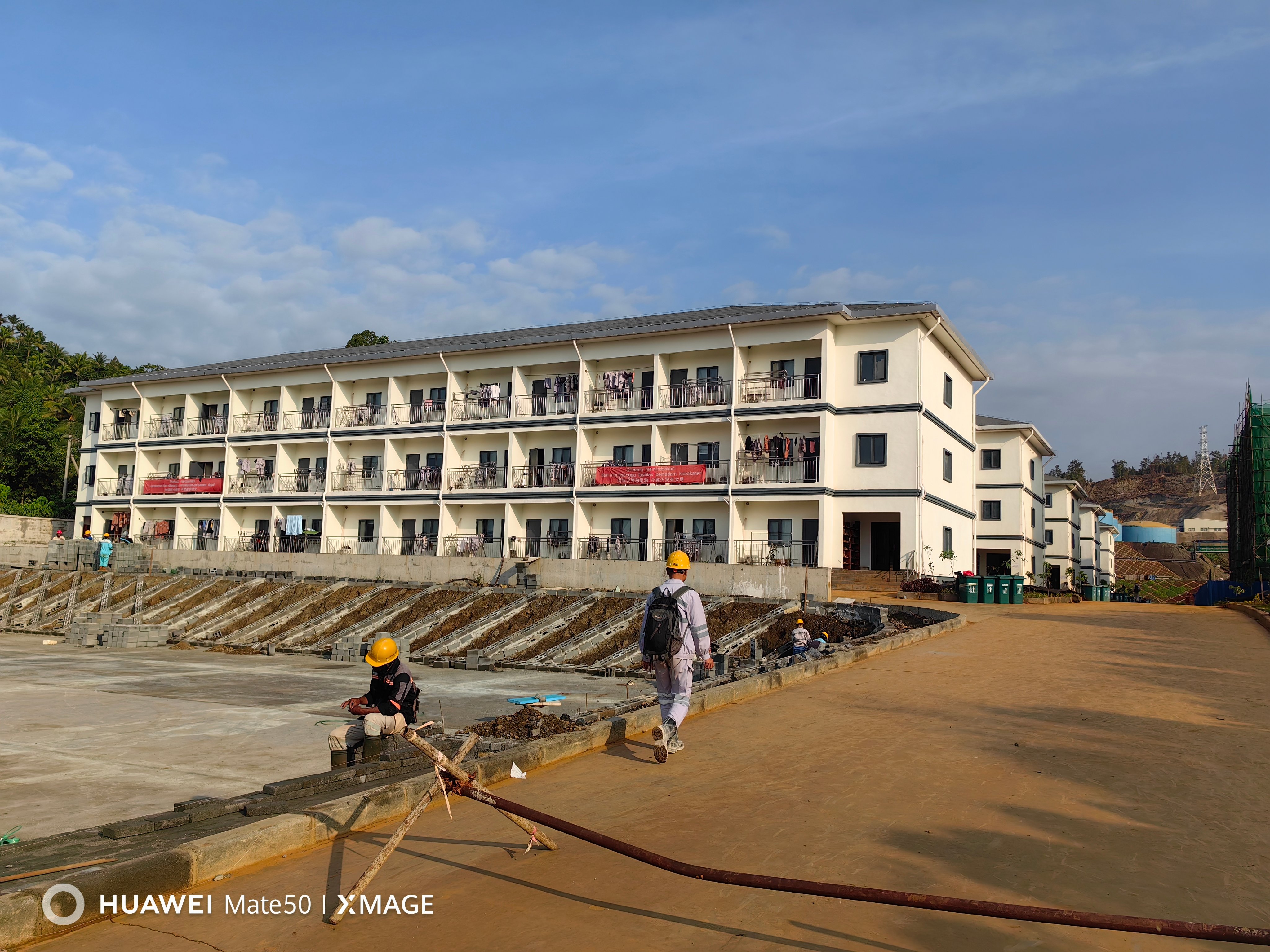
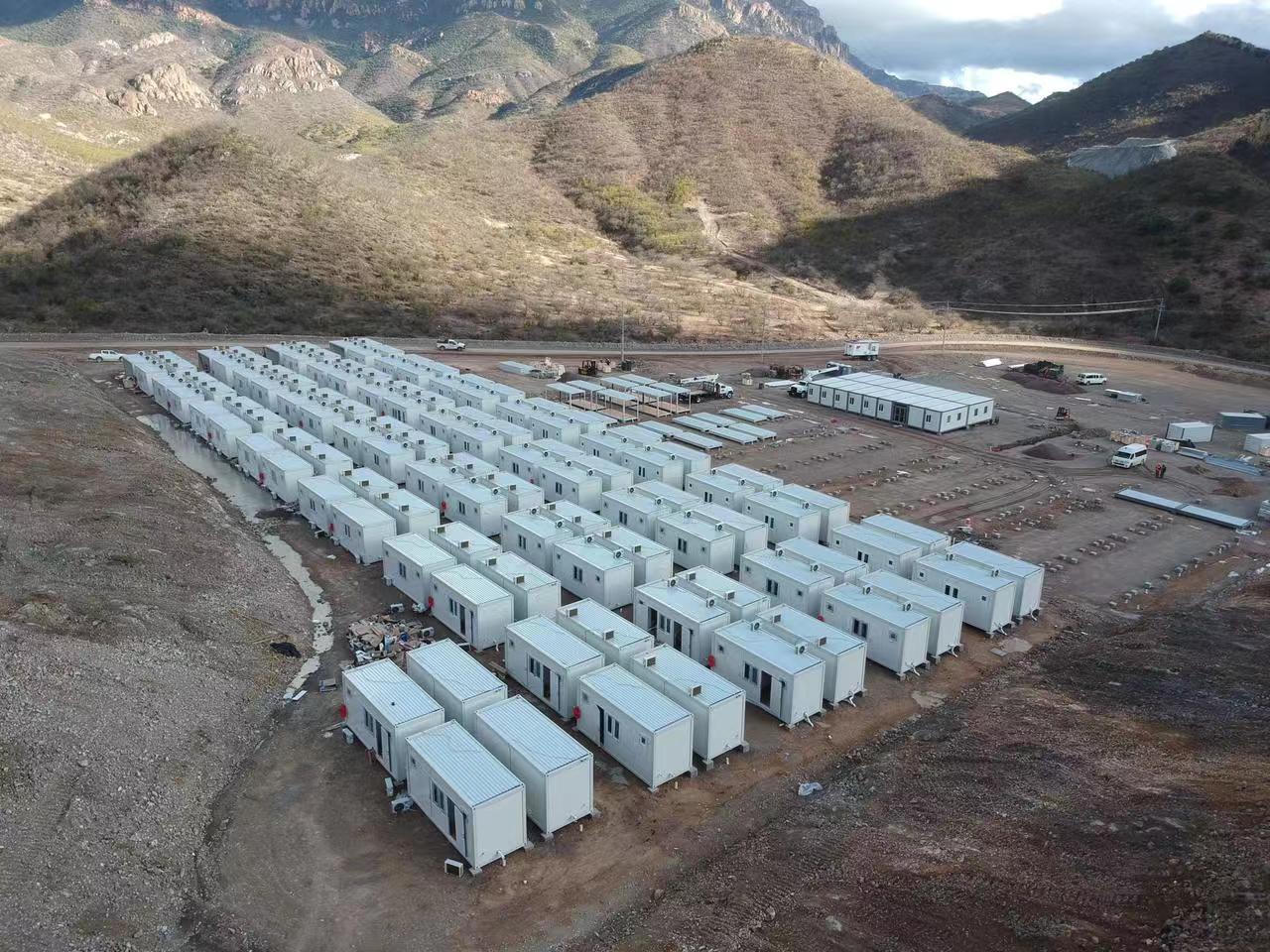
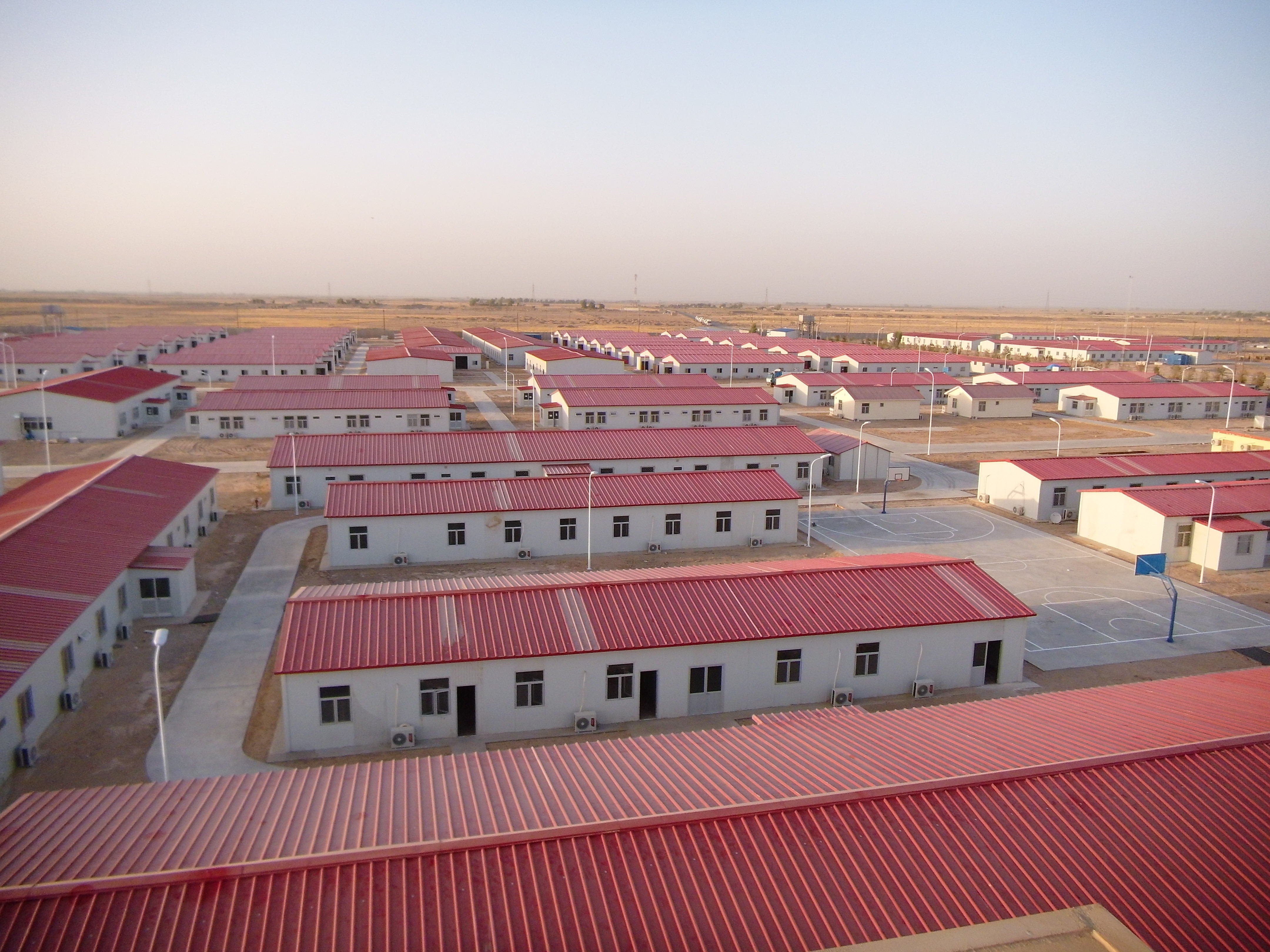
ที่พักพักชั่วคราวบนไซต์ก่อสร้าง หมายถึง สิ่งอำนวยความสะดวกสำหรับที่พักอาศัยของแรงงานซึ่งไม่ใช่ถาวร และถูกสร้างขึ้นโดยเฉพาะเพื่อรองรับระยะเวลาการดำเนินงานของโครงการก่อสร้าง ที่พักประเภทนี้ไม่ใช่เพียงโรงเก็บเครื่องมือหรืออาคารสำหรับทำงานเท่านั้น แต่เป็นชุมชนที่อยู่อาศัยที่ครบครันด้วยฟังก์ชันการใช้งาน ที่พักพักชั่วคราวสมัยใหม่ส่วนใหญ่สร้างขึ้นด้วยระบบอาคารโมดูลาร์หรือหน่วยคอนเทนเนอร์
หน่วยเหล่านี้มักมีขนาดมาตรฐาน (เช่น ขนาดทั่วไป 6 x 3 x 2.8 เมตร) และสามารถต่อขยายในแนวราบได้เหมือนบล็อกก่อสร้าง หรือซ้อนทับกันในแนวดิ่งได้สูงสุดสามชั้น จึงช่วยประหยัดพื้นที่บนไซต์งานก่อสร้างได้อย่างมีประสิทธิภาพ รูปแบบการจัดภายในสามารถปรับแต่งให้สอดคล้องกับความต้องการเฉพาะได้ ตั้งแต่ห้องพักสำหรับหลายคน (พร้อมเตียงสองชั้นและตู้เก็บของ) ไปจนถึงห้องเดี่ยวพร้อมห้องน้ำส่วนตัว รวมทั้งสิ่งอำนวยความสะดวกอื่นๆ เช่น ร้านอาหาร ห้องน้ำใช้ร่วมกัน ห้องซักผ้า และห้องพักผ่อน ซึ่งทั้งหมดนี้สามารถสร้างขึ้นได้จากการประกอบโมดูลที่แตกต่างกัน
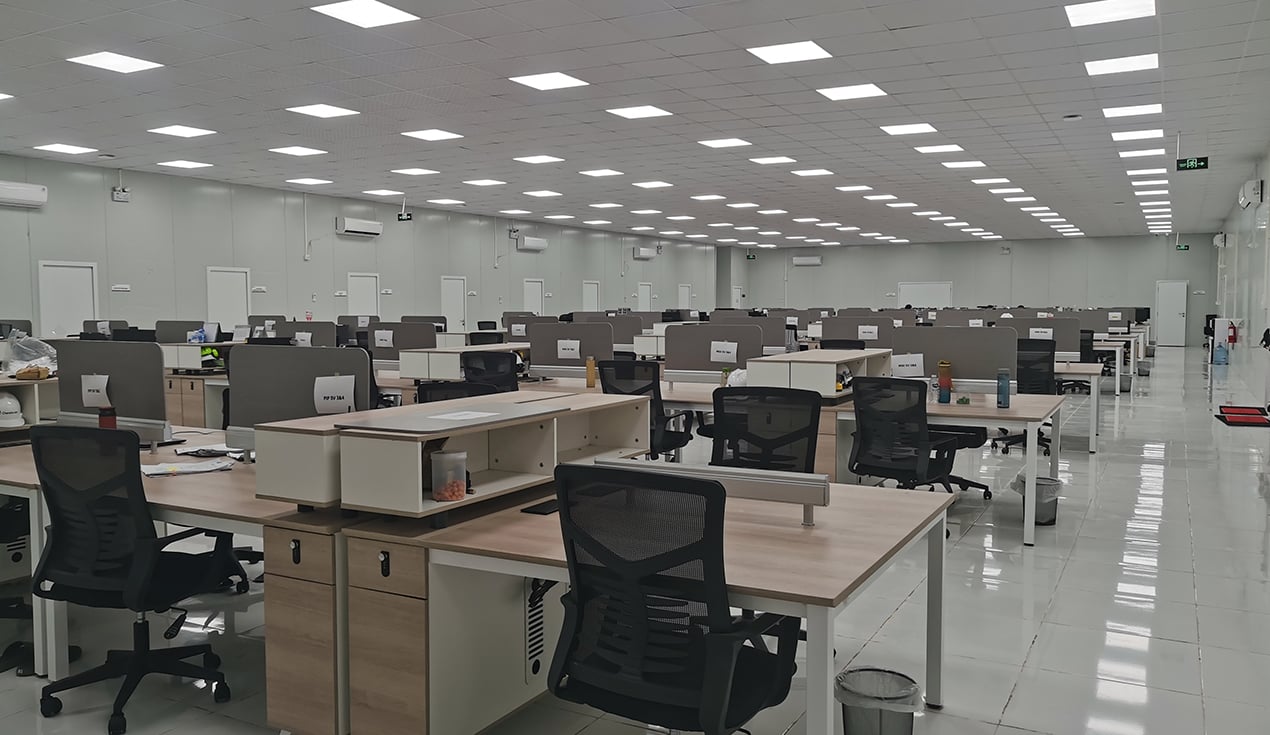
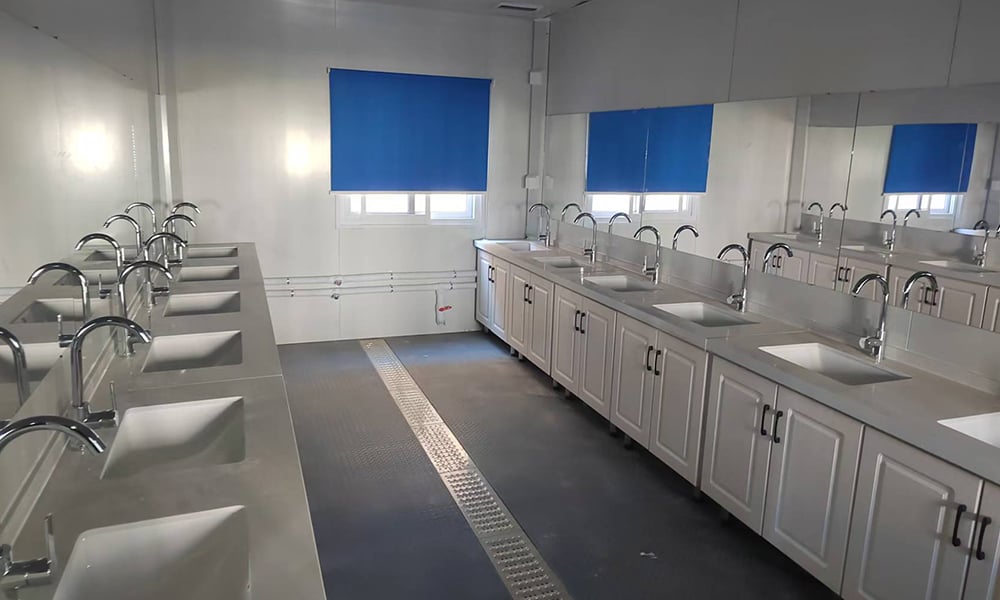
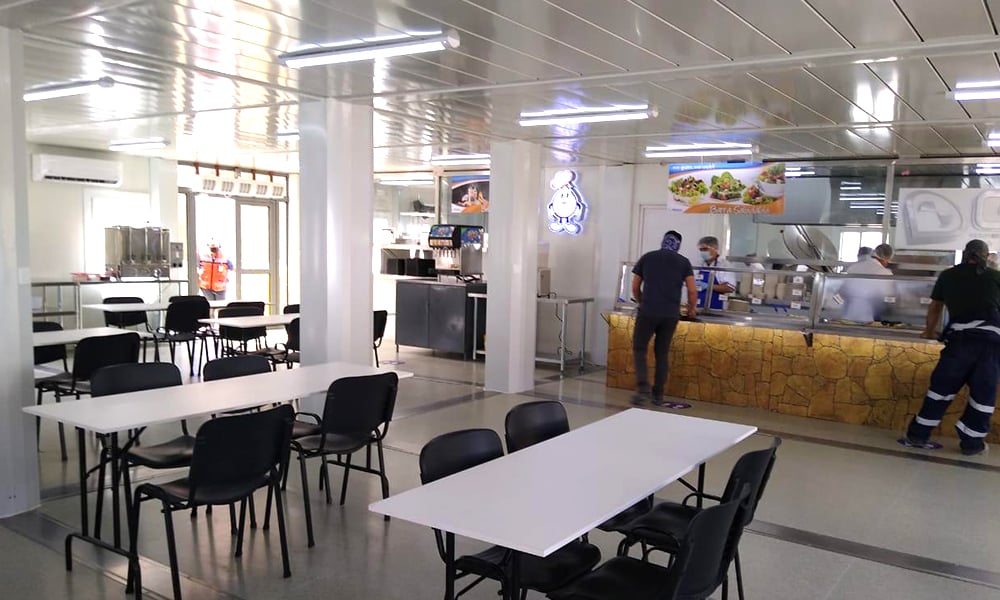
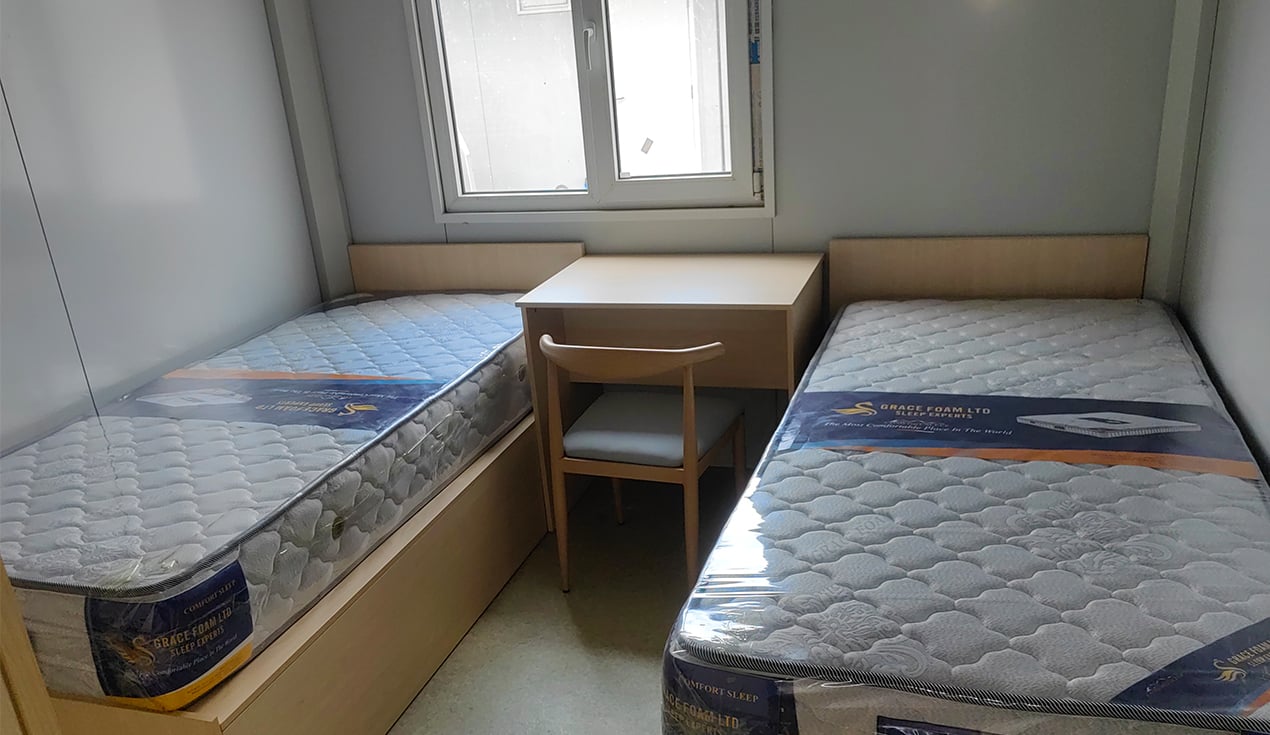
2. ข้อได้เปรียบใดบ้างที่สามารถบรรลุได้จากหอพักชั่วคราวบนไซต์งานก่อสร้าง
ข้อได้เปรียบหลักของการใช้หอพักประเภทนี้อยู่ที่ความยืดหยุ่นและความคล่องตัว
การติดตั้งและการย้ายย้ายสถานที่อย่างรวดเร็ว: การก่อสร้างแบบดั้งเดิมใช้เวลาหลายเดือน ขณะที่หอพักแบบโมดูลาร์สามารถผลิตล่วงหน้าในโรงงานแล้วนำมาประกอบติดตั้งที่หน้างานได้อย่างรวดเร็ว ทำให้ลดระยะเวลาการก่อสร้างลงอย่างมาก ยิ่งไปกว่านั้น หลังจากโครงการเสร็จสิ้น อาคารเหล่านี้สามารถยกขึ้นและเคลื่อนย้ายไปยังสถานที่ก่อสร้างแห่งต่อไปเพื่อใช้งานต่อได้ทั้งโครงสร้าง โดยไม่เกิดของเสียจากการก่อสร้างซ้ำ
ความยืดหยุ่นสูง: ขนาดทีมงานเปลี่ยนแปลงไปตามแต่ละระยะของโครงการ การออกแบบแบบโมดูลาร์ช่วยให้สามารถขยายหรือลดขนาดพื้นที่พักอาศัยได้อย่างง่ายดายตามจำนวนแรงงาน ทั้งนี้สามารถจัดวางระบบได้อย่างยืดหยุ่น ไม่ว่าจะเป็นทีมเล็กๆ ที่มีเพียง ๕๐ คน หรือค่ายพักขนาดใหญ่ที่รองรับคนนับพัน
การยกระดับสวัสดิการและประสิทธิภาพของแรงงาน: ที่พักที่สะดวกสบายส่งผลโดยตรงต่อขวัญและกำลังใจของแรงงาน รวมทั้งอัตราการคงอยู่ในงาน ที่พักชั่วคราวรุ่นใหม่ให้ความสำคัญกับการกันเสียง การรักษาอุณหภูมิ และระบบระบายอากาศ โดยบางผลิตภัณฑ์สามารถบรรลุระดับความสบายทางอุณหภูมิภายในอาคารได้ถึงร้อยละ 99.6 พร้อมติดตั้งสิ่งอำนวยความสะดวกครบครันสำหรับอาบน้ำ ซักผ้า และกิจกรรมยามว่าง ซึ่งช่วยยกระดับคุณภาพชีวิตและประสิทธิภาพในการทำงานของแรงงานอย่างมีนัยสำคัญ
ท่านต้องการความช่วยเหลือในการค้นหาตัวเลือกที่พักที่เหมาะสมสำหรับสถานที่ก่อสร้างหรือไม่ https://www.cdphhouse.com/contact-us
3. ข้อกำหนดใดบ้างที่ที่พักในสถานที่ก่อสร้างต้องปฏิบัติตาม
พื้นที่และระบบระบายอากาศ: แรงงานแต่ละคนต้องมีพื้นที่นอนเพียงพอ (ปริมาตรอากาศ) มีระยะห่างที่เหมาะสมระหว่างเตียง และห้องต้องมีระบบระบายอากาศที่ดี
สิ่งอำนวยความสะดวกด้านสุขาภิบาล: ต้องจัดให้มีส้วม ห้องอาบน้ำ สถานที่ซักผ้า และแหล่งน้ำดื่มที่ปลอดภัยเพียงพอ รวมทั้งระบบระบายน้ำต้องเป็นไปตามมาตรฐานเพื่อป้องกันการแพร่กระจายของโรค
ความปลอดภัยและการป้องกันอัคคีภัย: วัสดุก่อสร้างต้องทนไฟ (เช่น แผ่นแซนด์วิชหินแร่ที่ผ่านมาตรฐานการทนไฟระดับคลาส A) และต้องมีทางออกฉุกเฉินสำหรับการอพยพ โครงสร้างต้องแข็งแรงเพียงพอที่จะรับมือกับลมแรง แผ่นดินไหว และภัยธรรมชาติอื่น ๆ ได้
บริเวณครัวและรับประทานอาหาร: ครัวต้องแยกออกจากพื้นที่พักอาศัยอย่างชัดเจน มีการป้องกันแมลงและหนูอย่างมีประสิทธิภาพ พร้อมติดตั้งอุปกรณ์ทำอาหารและจัดเก็บที่เป็นไปตามมาตรฐานสุขอนามัย
ฉนวนกันความร้อนและกันเสียง: ผนังและหลังคาควรให้สมรรถนะการกันความร้อนที่ดี (เป็นไปตามมาตรฐานการนำความร้อน) และสามารถลดเสียงรบกวนจากภายนอกได้อย่างมีประสิทธิภาพ เพื่อให้ผู้ปฏิบัติงานได้พักผ่อนอย่างเพียงพอ
4. สรุปข้อได้เปรียบหลักของการใช้ที่พักชั่วคราวสำหรับสถานที่ก่อสร้าง
โดยสรุป ข้อได้เปรียบหลักของการเลือกใช้ที่พักแบบโมดูลาร์ชั่วคราวสำหรับสถานที่ก่อสร้าง สะท้อนออกมาในสามประเด็นหลักดังนี้:
| ข้อได้เปรียบ | การแสดงออกเฉพาะเจาะจง |
| ประโยชน์ ทาง เศรษฐกิจ | สามารถนำกลับมาใช้ใหม่ได้ ช่วยลดต้นทุนการก่อสร้าง; ประกอบได้รวดเร็ว ทำให้ระยะเวลาการก่อสร้างสั้นลง; ใช้พื้นที่ดินน้อยลง ส่งผลให้การใช้พื้นที่ไซต์งานมีประสิทธิภาพมากยิ่งขึ้น |
| คุณภาพชีวิต | มอบสภาพแวดล้อมในการอยู่อาศัยที่สะดวกสบาย กันเสียงรบกวน และมีฉนวนกันความร้อน-ความเย็นที่ดีเยี่ยม; ติดตั้งสิ่งอำนวยความสะดวกครบครัน (ห้องน้ำ ห้องซักผ้า และพื้นที่เพื่อความบันเทิง) ตามมาตรฐานแรงงานสากล |
| การจัดการโครงการ | มีความยืดหยุ่นสูง สามารถปรับขนาดขึ้นหรือลงได้ตามความต้องการของโครงการ; ย้ายสถานที่ได้ง่าย เหมาะสำหรับโครงการที่ดำเนินงานพร้อมกันหลายแห่ง; ช่วยยกระดับความพึงพอใจของแรงงานและลดอัตราการลาออก |
โดยสรุป ที่พักชั่วคราวบนไซต์งานก่อสร้างไม่ได้จำกัดอยู่เพียงแค่ "ที่พักแบบง่ายๆ" อีกต่อไป แต่เป็นองค์ประกอบสำคัญของการจัดการโครงการวิศวกรรมสมัยใหม่ ที่ช่วยเพิ่มประสิทธิภาพ ประกันความปลอดภัย และแสดงถึงการใส่ใจพนักงานอย่างแท้จริง สำหรับบริษัทก่อสร้างระดับนานาชาติที่มุ่งสู่การพัฒนาอย่างยั่งยืนและการจัดการที่ยอดเยี่ยม การเลือกใช้ที่พักชั่วคราวแบบโมดูลาร์คุณภาพสูง จึงถือเป็นการลงทุนที่ผสมผสานระหว่างวิสัยทัศน์เชิงกลยุทธ์กับความใส่ใจในมนุษย์